
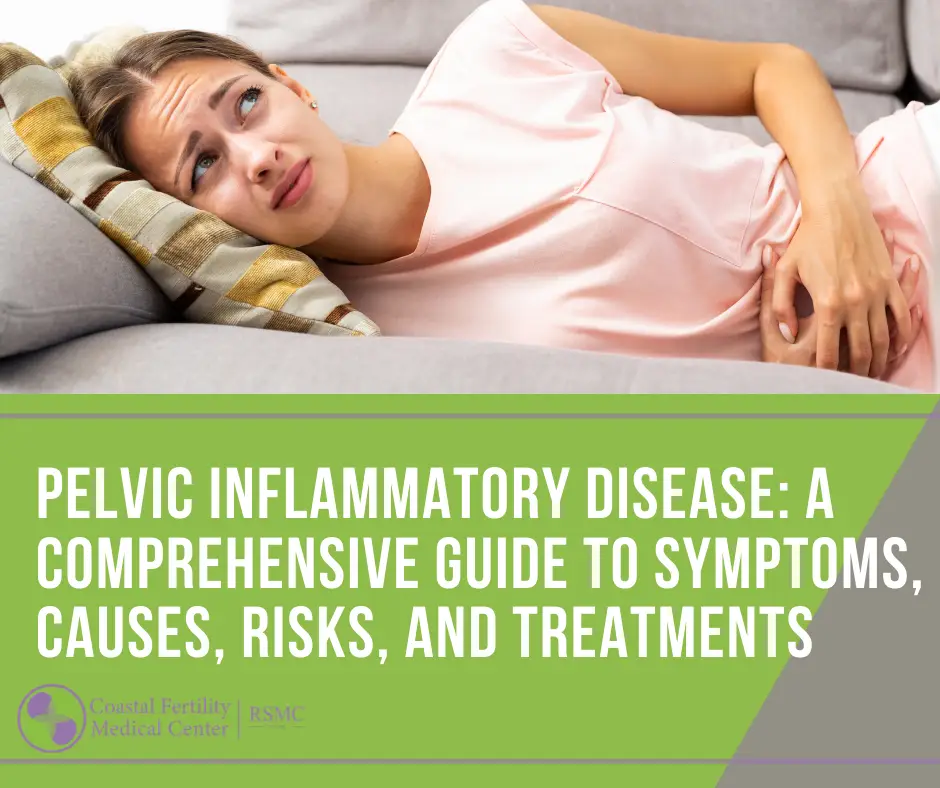
Pelvic inflammatory disease (PID for short) is an infection of the upper female reproductive organs. It usually occurs when sexually transmitted bacteria move from the vagina into pelvic organs, such as the ovaries, fallopian tubes, or womb.
It affects approximately 5% of women in the United States, according to the Department of Health and Human Services (HHS).
Pelvic inflammatory disease is a very dangerous condition that can severely damage a woman’s reproductive organs and even lead to death if the infection gets into the bloodstream. Hence, it is important to see a doctor ASAP if you think you might have an infection.
Symptoms
The symptoms and signs of pelvic inflammatory disease can be mild or hard to notice. Some people do not even have any symptoms at all. So, you may not know you have the condition until you’re experiencing difficulty becoming pregnant or suffering from chronic pelvic pain. However, below are some of the most common PID symptoms:
- Pain during sexual intercourse
- Fever
- Fatigue
- Frequent, painful, or difficult urination
- Abnormal or heavy foul-smelling vaginal discharge
- Pain in the lower abdomen
- Upper abdominal pain
- Abnormal womb bleeding, especially after or during sex or between periods
When to consult a physician
While pelvic inflammatory disease may only cause mild or moderate pain, the symptoms can be more severe in some women. Consult your physician or get immediate medical care if you have symptoms like:
- Severe pain in the lower abdomen
- High fever
- Vomiting and nausea
- Foul-smelling vaginal discharge
Even if you are experiencing mild PID symptoms, it’s still important to see a doctor ASAP. Remember that painful urination, bleeding between periods, and foul vaginal discharge can also be signs of a sexually transmitted infection. If you notice any of these symptoms, abstain from sex and consult a doctor as soon as possible. Early medical treatment of an STI can save you from pelvic inflammatory disease.
Causes
Although different types of bacteria can cause pelvic inflammatory disease, approximately 90% of PID cases are due to untreated gonorrhea and chlamydia. Usually, the bacteria are introduced into the body during unprotected sexual intercourse.
Though rare, bacteria can also enter the reproductive tract when the barrier created by the cervix gets disturbed. This may occur during abortion, miscarriage, menstrual flow, or after delivery. In some rare cases, bacteria can also be introduced into the female reproductive tract while inserting an intrauterine device (IVF) or during any gynecological procedures that involve passing instruments into the womb.
Possible risk factors
A lot of factors can raise your risk of developing pelvic inflammatory disease. These include:
- Having more than one sexual partner
- Having unprotected sex
- Being a sexually active woman below the age of 25
- Having a previous history of a sexually transmitted infection or PID
- Having sex with someone who has multiple sexual partners
- Regular douching, which disturbs the balance of good and harmful vaginal bacteria
There’s also a little risk of PID following an IUD insertion, although this risk is limited to the first few weeks after insertion.
Complications
Left untreated, pelvic inflammatory disease can cause scar tissue and abscesses (pockets of infected fluid) to form in the female reproductive tract. These may cause long-term damage to the reproductive organs.
Complications due to this damage may include:
Ectopic pregnancy
Pelvic inflammatory disease (PID) is a leading cause of ectopic or tubal pregnancy. It occurs when untreated pulmonary inflammatory disease causes scar tissue to be formed in the fallopian tubes. This scar tissue can stop the fertilized egg (embryo) from passing through the uterine tube into the womb, causing the egg to implant in the tube instead. Ectopic pregnancies can lead to heavy, life-threatening bleeding and need immediate medical attention.
Infertility
Any damage to the female reproductive organs can lead to infertility- that is, the inability to conceive after months of trying. Over 1 million American women get pelvic inflammatory disease every year, and it is the reason why more than 100,000 women are unable to have children. The more times you have had this disease, the lower your chances of becoming pregnant. Not getting treated for this disease early can significantly raise your risk of infertility.
Chronic pelvic pain
Pelvic inflammatory disease may result in pelvic pain that doesn’t go away for months or even years. Scarring in the uterine tubes and other reproductive organs can also cause pain during ovulation and sexual intercourse.
Tubo-ovarian abscess (TOA)
Pelvic inflammatory disease can cause an abscess (a painful collection of pus) to develop in the female genital tract. Although abscesses are commonly found in ovaries and fallopian tubes, they can also occur in the womb or other pelvic organs. An untreated abscess can make you develop a fatal infection.
Tests for pelvic inflammatory disease
Diagnosing pelvic inflammatory disease
Your physician can know if you have PID after hearing your symptoms. Most times, your doctor will conduct the following tests to establish the diagnosis:
Tests may include:
- Pelvic examination to check your reproductive organs
- Cervical culture to know if you have an infection your cervix
- Urine test to check for signs of blood, cancer, and other diseases in urine
Once your samples are collected, they are sent to a laboratory for analysis.
Evaluating damage
If your physician detects that you have PID, they may perform additional tests and check the pelvis for damage. Pelvic inflammatory disease can cause scarring of the fallopian tubes and permanently damage your reproductive organs.
Other tests that may be conducted are:
- Pelvic ultrasound. This is the use of sound waves to produce images of your internal organs.
- Endometrial biopsy. In this medical procedure, a physician collects and screens a small sample from your womb lining (endometrium).
- Laparoscopy. A laparoscopy is a diagnostic procedure in which the doctor inserts a small flexible instrument into small incisions (cuts) in your abdomen to check for problems with your pelvic organs.
Treatment for pelvic inflammatory disease
Your physician may suggest you take antibiotics to treat pelvic inflammatory disease. Since the doctor might not know the exact bacterial responsible for your infection, they may prescribe two or more different kinds of antibiotics to combat a wide range of bacteria.
You may find out that your symptoms improve or disappear within some days of beginning treatment. But it is important to complete your medication even if you are feeling better. This is because your symptoms may come back if you stop your medication early.
For women who are pregnant or ill, cannot take drugs, or have an abscess in their pelvis, physicians may recommend that they go to a hospital for necessary treatment.
In some cases, pelvic inflammatory disease may require a surgical operation. However, this is uncommon and only needed if an abscess in the pelvis bursts or if your physician thinks that an abscess will burst. Surgery may also be required if the infection is not responding to PID treatment.
The bacteria responsible for PID can be transmitted through sexual intercourse. If you regularly have sex, you should also make sure your partner gets treated for pelvic inflammatory disease. Men may unknowingly carry the bacteria that cause PID.
If your partner does not get treated, your infection may reappear. It will also be good to stay away from sex until the infection has been fully treated.
Prevention
To lower your chances of having pelvic inflammatory disease:
Always use protection
Make sure to use a condom each time you have sex, reduce the number of your sexual partners, and ask your potential partner’s about their sexual history.
Consult your doctor about contraception
A lot of contraception doesn’t offer any protection against PID. However, barrier methods like condoms are known to reduce your risk of developing pelvic inflammatory disease. Even if you do take contraceptive pills, it is still advisable to use a condom each time you want to sleep with a new partner to avoid contracting sexually transmitted infections.
Go for tests
If you are likely to contract a sexually transmitted infection, arrange an appointment with your doctor to get tested. If necessary, have a regular screening schedule set up with your physician. Treating an STI in the early stages gives you the best chance of preventing pelvic inflammatory disease.
Ask that your sexual partner be tested
If you are suffering from an STI or pelvic inflammatory disease, request that your partner get tested and treated. This will help stop the spread of sexually transmitted infections and prevent PID from recurring.
Avoid douching
Douching may affect the balance of good and harmful bacteria in the vagina.
Other self-care tips
- Don’t douche to avoid the spread of harmful bacteria from your vagina into your fallopian tubes and womb.
- See your doctor some days after beginning medication to be sure that it is working
- Use your medicine as instructed by the physician
- Make sure you use condoms or dental dams each time you have intercourse to save yourself from infections.
- Wait a week after you (and maybe your partner) have completed medication before resuming sex.
Some FAQs
Can I have pelvic inflammatory disease again?
Unfortunately, yes. It is possible to be infected again after you have had PID. Having pelvic inflammatory disease once does not stop you from recurring.
Will I need surgery for pelvic inflammatory disease?
Although surgery is not common, it can be helpful in some cases. If you are still experiencing symptoms of PID or have an abscess after using antibiotics, speak to your doctor about surgery.
Does my partner have to be treated for PID?
Let your partner know if you have PID. They should also receive treatment for your and their sake. Else, you may develop pelvic inflammatory disease again when you start having sex.
When can I start having sex again if I had PID?
It’s recommended that you and your partner wait a week or more after completing your antibiotics before resuming sexual intercourse. This will help reduce the risk of being re-infected.
How do I take care of myself if I have pelvic inflammatory disease?
If you notice any PID symptoms, consult your doctor as soon as possible. And if you had sex without protection, it is good to speak to your healthcare provider even if you don’t experience any symptoms. The earlier you receive treatment, the higher the chance that it will work. Early treatment also lowers your chances of developing severe complications.
Can women who have sex with women develop PID?
Of course, it is possible to have pelvic inflammatory disease or an STI if you are a women who have sex with women only.
Speak to your partner about her sexual history before intercourse, and inform your physician about getting screened for symptoms or signs of pelvic inflammatory disease.
Final word
Pelvic inflammatory disease can be treated, and most women fully recover from the condition.
However, as per the Centers for Disease Control and Prevention (CDC), around 1 out of 8 women who have had PID find it difficult to become pregnant. Moreover, after three episodes of pelvic inflammatory disease, the infertility rate reaches up to 50%.
Fortunately, a lot of these women can still conceive through assisted reproductive technologies such as IUI, IVF, etc. To learn more about the pelvic inflammatory disease and available fertility treatments to overcome its effects, please feel free to get in touch with us to schedule a consultation or using the chat option.

Julianna Nikolic
Chief Strategy Officer Julianna Nikolic leads strategic initiatives, focusing on growth, innovation, and patient-centered solutions in the reproductive sciences sector. With 26+ years of management experience and a strong entrepreneurial background, she brings deep expertise to advancing reproductive healthcare.



 Make a Payment