
What exactly is an ectopic pregnancy?
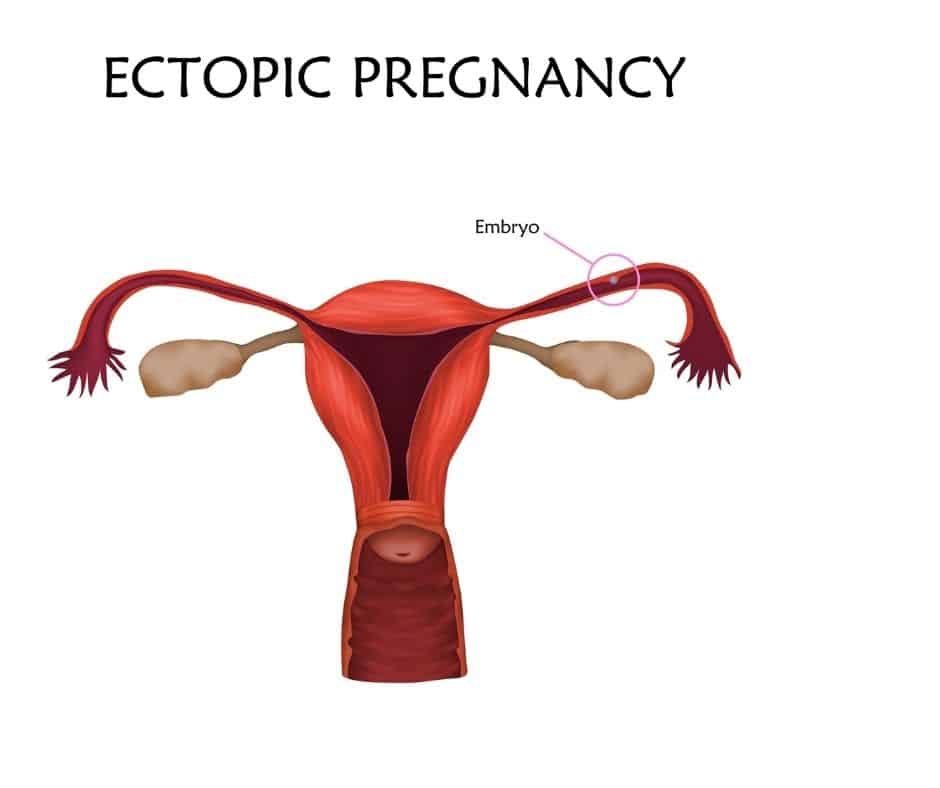
An ectopic pregnancy is a pregnancy that grows in other locations outside the womb. It is usually found in the fallopian tubes (the muscular J-shaped tubes in the female reproductive tract).
In a normal pregnancy, the embryo (fertilized egg) implants and grows in the womb. However, in nearly 90% of ectopic pregnancies, the fertilized egg settles in the uterine tubes instead of proceeding on its journey to the uterus. This is the reason ectopic pregnancies are also called “tubal pregnancies.”
Other locations where the embryo can also implant are the cervix, abdomen, and ovary. Hence, it may also be referred to as an abdominal or cervical pregnancy. Depending on the location, it is also called:
- EP
- Tubal pregnancy
- Fallopian tube pregnancy
- Eccyesis
- Extrauterine pregnancy
- EUP
- Abdominal pregnancy
- Cervical pregnancy
Since these locations are not spacious enough and lack the tissue necessary to grow a pregnancy, the fetus will eventually rupture the organs housing it. This may result in heavy internal bleeding, putting the mother’s life in danger. Typically, a tubal pregnancy does not develop into a live birth.
However, ectopic pregnancy is not new. The earliest mention of an ectopic pregnancy in medical records was in 11th century by Al-Zahrawi – a famous Arab physician. The word “ectopic” means “out of place”.
What are the signs and symptoms of an ectopic pregnancy?
The three common symptoms of ectopic pregnancy include amenorrhea (lack of menstruation), abdominal pain, and vaginal bleeding. However, not all women experience all these symptoms. Other possible signs are:
- Pain in the neck, pelvis, shoulder, or abdomen.
- Dizziness or fainting
- Rectal pressure
- Pain on one side of the abdomen
- Vaginal spotting or bleeding
Contact your physician or seek urgent treatment if you are pregnant and are experiencing any of the symptoms above.
What causes an ectopic pregnancy?
Ectopic pregnancy (or tubal pregnancy) occurs when an embryo lodges in the Fallopian tubes or other places outside the uterus, where it is supposed to implant. Any damage, distortion, or scarring of the Fallopian tube can cause a fertilized egg to be stuck inside it.
While the actual cause may be unclear, the following conditions have been associated with ectopic pregnancy:
- Birth defects
- Genetic disorders
- Hormonal factors
- Inflammation and scarring of the uterine tubes due to
- surgery
- an infection or
- medical conditions that change the shape of these tubes and other reproductive organs
What are the likely risk factors?
All women who have sexual intercourse are at risk of an ectopic pregnancy, but the risk increases with any of the following:
- Smoking
- Maternal age of 35 years or older
- History of pelvic inflammatory disease
- History of endometriosis
- Conception happened despite intrauterine devices or tubal ligation
- Conception achieved using fertility medications or procedures
- History of pelvic surgery, abdominal surgery, or multiple abortions
- Anatomical issues in the uterine tubes, which make it hard for the egg to pass through them.
- History of previous ectopic pregnancy
How these risk factors increase the chances
Age
Any woman – no matter the age – who ovulates and has intercourse with a male partner can have an ectopic pregnancy. However, women aged 35 to 44 are at the greatest risk of developing the condition.
History
A previous history of ectopic pregnancy is the biggest factor that can increase your risk of having another case.
Fallopian tube issues
Disruption of the normal anatomy of the Fallopian tubes can cause ectopic pregnancy in the tubes or other areas.
Previous surgeries
If you have had surgery on the fallopian tubes, it can cause scarring and disruption of the normal structure of these tubes, increasing the risk of ectopic pregnancy.
Infections
Pelvic infection is another factor that can increase your chances of having an ectopic pregnancy. Although these infections are usually caused by sexually transmitted bacteria, such as chlamydia or N. gonorrhea, bacteria transmitted through other means can also cause them. Infection may result in an ectopic pregnancy by obstructing or destroying the fallopian tubes.
The inner lining of the uterine tubes contains tiny hair-like projections referred to as cilia, which help the egg move through the tubes into the uterus. Any damage to these cilia due to infection can disrupt the transportation of eggs in the fallopian tubes. Hence, a fertilized egg may become trapped in the tubes, resulting in an ectopic pregnancy.
Infection can also lead to scarring and blockage of the fallopian tubes, stopping the eggs from reaching the womb.
Having two or more sex partners
Since having multiple sex partners raises a woman’s risk of developing pelvic infections, your odds of ectopic pregnancy may increase when you have more than one sex partner.
Gynecological conditions
Conditions like fibroid tumors, pelvic scar tissue (pelvic adhesion), or endometriosis can make the uterine tubes narrow and impede egg transport, increasing the likelihood of a tubal pregnancy.
Use of IUD (intrauterine device)
About 50% of pregnancies in women who use IUDs will occur outside the uterus. However, the number of women getting pregnant when using intrauterine devices is pretty low. So, the probability that IUD use will cause an ectopic pregnancy is low.
Cigarette smoking
Smoking cigarettes around the fertile period can also increase the risk of ectopic pregnancy. Researchers found that this risk depends on the dose. This means that a woman’s risk of ectopic pregnancy is dependent on her habits and increases the more cigarettes she smokes.
Infertility
A history of long-term infertility can also be associated with a higher risk.
Other likely causes
Fallopian tube tumors, infection, or birth defects can raise a woman’s chances of an ectopic pregnancy.
What percentage of women have an ectopic pregnancy?
About 1-2% of all pregnancies occur outside the womb.
What tests, exams, or procedures can diagnose ectopic pregnancy?
If you are suspecting that you may have an ectopic pregnancy, consult your physician as soon as possible. While ectopic pregnancy cannot be detected through a physical examination, your doctor may still conduct one to rule out other possible factors.
Preliminary doctor consultation
Diagnosis of ectopic pregnancy usually begins with an interview and physical examination by a doctor. This is then followed by a quantitative (measures hormone levels) or qualitative (positive or negative for pregnancy) pregnancy test.
Pregnancy tests and ultrasound
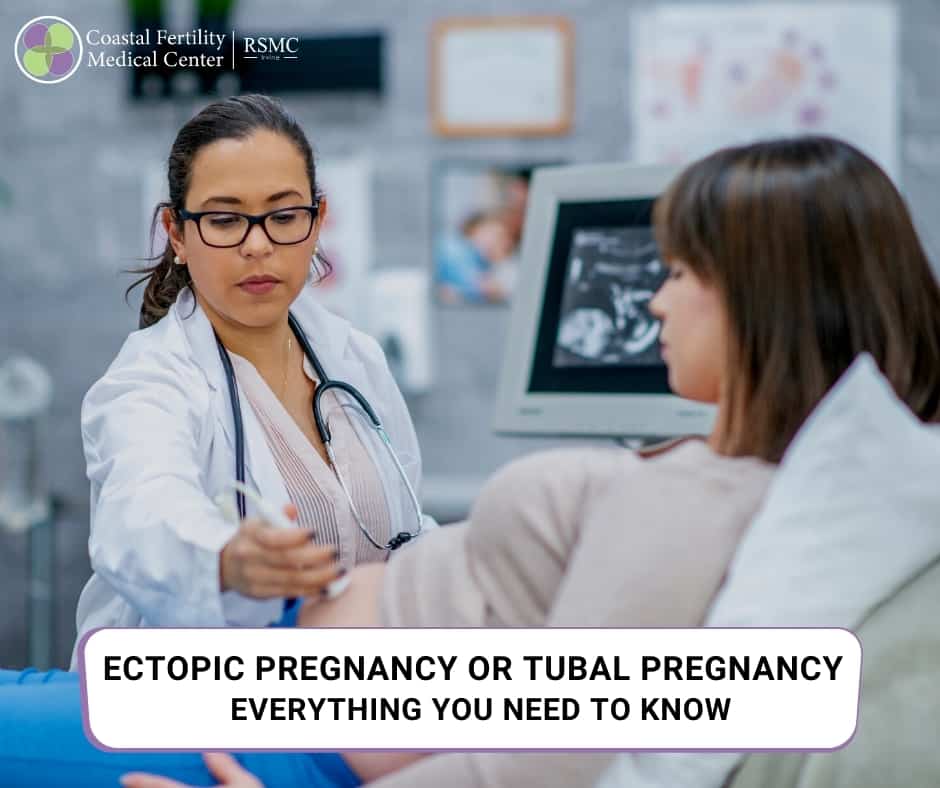
In some cases, the doctor may notice a tender mass in the pelvic exam. If it is suspected to be an ectopic pregnancy, blood hormone pregnancy tests and a pelvic ultrasound are done to confirm the diagnosis. Transvaginal ultrasound is a very useful test to check for an ectopic pregnancy. During this test, the doctor inserts a small probe into the vagina, and pelvic images can be seen on the monitor.
Although transvaginal ultrasound can show the gestational sac in a normal or an ectopic pregnancy, the findings are not always conclusive. The ultrasound can also reveal if there’s no pregnancy inside the womb.
Laparoscopy
In some rare cases, laparoscopy may be required to establish a diagnosis of an ectopic pregnancy. In a laparoscopic procedure, imaging instruments are inserted into the body via tiny incisions in the abdominal wall to see the reproductive structures in the pelvis and abdomen, hence showing the location of the ectopic pregnancy.
Pregnancy hormone tests
Your physician might also conduct a blood test to check your levels of pregnancy hormones such as progesterone and human chorionic gonadotropin (HCG). If the levels of these hormones begin to reduce or remain the same for many days and a gestational sac is not seen during an ultrasound, the pregnancy may be ectopic.
If you’re experiencing severe symptoms like vagina bleeding or pain, you may not have enough time to undergo all these diagnostic tests. The Fallopian tubes may rupture, resulting in internal bleeding. In cases like this, your doctor will carry out an emergency surgery to provide urgent treatment.
Treating ectopic pregnancy
Ectopic pregnancies can endanger the mother’s life. Plus, the embryo can’t develop into a live birth. Hence, it’s important to quickly remove the embryo for the mother’s health and future fertility. There are many treatment options to consider based on the site of the ectopic pregnancy and its development.
Medication
If your doctor thinks that immediate complications are very unlikely, he or she may suggest you take medications to prevent the ectopic mass from rupturing. One common drug for this is methotrexate (also known as Rheumatrex).
Methotrexate is a medication that inhibits the growth of actively dividing cells, including the cells of the ectopic mass. It is usually administered in the form of an injection. You may also need to undergo some blood tests to know if the drug is working. If it is, you are going to notice menstruation-like symptoms, including:
- Cramping
- Passing of tissue
- Bleeding
Further surgery is not usually required once this occurs. Unlike surgery, the use of medication like methotrexate does not carry the risks of fallopian tube damage. However, you may be unable to get pregnant for months after using this drug.
Surgery
A laparotomy may be repeated if the surgery failed the first time, but this time a large abdominal incision will be used. Your physician may also have to remove the fallopian tube completely if it is severely damaged.
Home care
Your doctor will provide you with instructions concerning the care of your abdominal incisions following surgery. It is important to ensure the incisions are kept dry and clean while they heal. So, make sure to check them every day for signs of infection, such as:
- Continuous bleeding
- Swelling
- Redness
- Hot to touch
- Bad-smelling drainage from the incision site
You can also have some light vagina bleeding and blood clots post-surgery. This may continue up to six weeks after your surgery.
Below are other self-care measures you can take:
- Don’t lift anything weighing more than 10 pounds
- Drink a lot of fluids to prevent constipation
- Get pelvic rest. This may mean abstaining from sex, douching, and use of tampons.
- Have plenty of rest in the first week after surgery and only increase physical activity in the following weeks as allowed
- Make sure to inform your physician if you feel more pain or think something is out of normal
Prevention
Sadly, it is not always possible to predict and prevent an ectopic pregnancy. However, you can lower your risk of developing the condition by maintaining good fertility health.
To minimize your chances of contracting sexually transmitted diseases (STD), always insist that your partner use a condom during intercourse and reduce your number of sexual partners. This is because STDs can cause pelvic inflammatory disease – a condition that causes the fallopian tubes to be inflamed.
Visit your doctor on a regular basis and undergo gynecological examinations and STDs screenings as necessary. Another way to prevent ectopic pregnancy is to take steps to enhance your personal health by quitting alcohol, smoking, drug use, etc.
Surgical removal of ectopic mass can cause scarring of the fallopian tubes, raising the odds of having another ectopic pregnancy. If you have to remove one or both fallopian tubes, speak with your physician about possible fertility treatments, such as in-vitro fertilization (IVF), before undergoing any surgery.
Dealing with fertility issues after ectopic pregnancy
Whether it occurs in the first few weeks or later, pregnancy loss can be very devastating. You can ask your physicians if there are any support groups that can provide necessary emotional support and guidance during this difficult time. Take
good care of yourself by having enough rest, consuming healthy foods, and exercising moderately. Also, remember to give yourself enough time to grieve and process the loss.
Take away
The good news a lot of women with a history of ectopic pregnancy go on to have healthy pregnancies in the future. As long as one of the fallopian tubes is still intact, eggs can be fertilized as usual. But if you already have a reproductive problem, it can impact your future fertility and raise your chances of developing an ectopic pregnancy. This is especially true if the preexisting problem was the cause of the previous ectopic pregnancy.
When you’re ready to try again for a baby, ask your physician about ways to make sure your future pregnancy is a healthy one.
Coastal Fertility Medical Center has helped many hopeful couples overcome ectopic pregnancy risks and become parents. Schedule a consultation today to learn more from our fertility specialists.

Julianna Nikolic
Chief Strategy Officer Julianna Nikolic leads strategic initiatives, focusing on growth, innovation, and patient-centered solutions in the reproductive sciences sector. With 26+ years of management experience and a strong entrepreneurial background, she brings deep expertise to advancing reproductive healthcare.



 Make a Payment